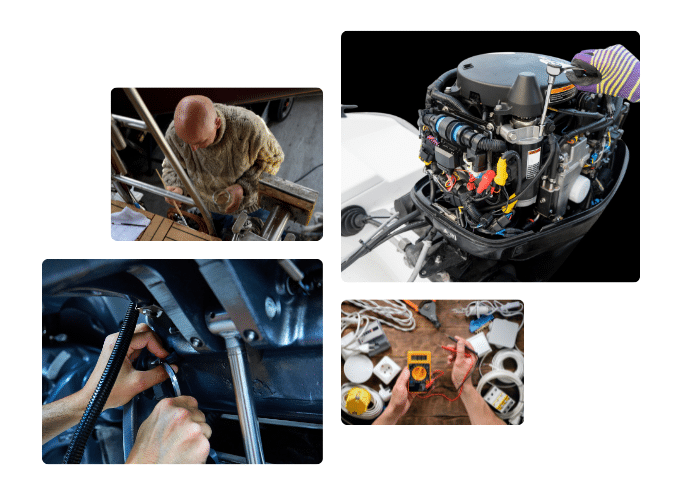
BOAT MAINTENANCE
The following are general guidelines. Check your owner’s manual for manufacturer’s recommendations/procedures particular to your boat.
Also, double check that your insurance policy will cover damage caused by freezing if your vessel wasn’t professionally prepared for winter storage by a certified marine mechanic or marina.
Following these fall storage steps now will increase your changes of a smooth a spring commissioning.
INBOARD ENGINES
- Change oil & oil filter
- Flush engine with fresh water, check for debris and unclog all drain holes
- Circulate antifreeze through the manifold
- Change transmission fluid
- Remove spark plugs/spray fogging oil into each cylinder (Gas engines ONLY)
- Wipe down the engine
STERN DRIVE
- Inspect stern drive/remove any plant life or barnacles
- Drain gear case and check for excessive moisture in the oil
- Clean lower unit with soap & water
- For units with rubber boot: Check rubber boot for cracks or pinholes
- Grease all fittings
- Check fluid levels in hydraulic steering or lift pumps
OUTBOARD ENGINES
- Flush engine with water; drain completely
- Wash engine with soap and water
- Disconnect fuel hoses; run engine until it stops
- Ensure all fuel is drained from carburetor
- Lubricate cylinder walls and pistons with fogging oil
- Apply water-resistant grease to propeller shaft and threads
- Change gear oil in lower unit
- Lubricate engine exterior or polish with a good wax
JET-DRIVE
- Flush engine with water; drain completely
- Remove all drain plugs and allow trapped water to escape
- If specified by the manufacturer, fog the engine or add the recommended corrosion protection
- Change the engine oil and filter
- Inspect the impeller, wear ring and intake grate. Remove debris and check for damage.
- Lubricate steering, reverse-gate and throttle/linkage components as recommended.
Never assume the jet-drive system has completely drained. Consult your owner’s manual for the exact procedure for removing trapped water and protecting the pump and cooling system from freezing.
BILGES
- Clean & dry
- Clean any oil spills with soap & hot water
- Once dry, spray with moisture-displacing lubricant
- Add a little antifreeze to prevent any water from freezing
FUEL
- Fill fuel tank
- Add fuel stabilizer
- Change fuel filter(s) and water separator(s)
FRESH WATER SYSTEM
- Drain fresh water tank and hot water heater
- Isolate hot water heater by connecting the in and out lines together
- Pump non-toxic antifreeze into the system and turn on all faucets/shower/wash down areas until antifreeze starts running out
- Put non-toxic antifreeze in the water heater
HEAD
- Pump out holding tank; while pumping add fresh water to the bowl & flush several times
- Add manufacturer-recommended marine cleaner/deodorizer; let sit a few minutes, then add water and pump out again
- Add antifreeze and pump through hoses, holding tank, y-valve, macerator & discharge hose
INTERIOR
- Remove valuables, lines, PFDs, fire extinguishers, flares, fenders, etc.; clean, check and replace as necessary
- Open all drawers/ lockers and clean
- Turn cushions on edge so air can circulate around them or store in a climate controlled area
- Install a dehumidifier or use an odor & moisture absorber to keep your boat dry and mildew free
ELECTRONICS
- Remove portable electronics such as GPS units, chartplotters, VHF handhelds, fish finders should be stored somewhere dry and temperature-stable.
- Remove batteries where appropriate and follow the manufacturer’s recommendations, especially for lithium batteries and electronics with internal backup batteries.
- Protect installed electronics by covering displays and equipment to keep out moisture, dust and condensation. Avoid airtight covers if they can trap moisture.
- Disconnect power if recommended — Turn off and disconnect electronics according to the manufacturer’s instructions.
- Protect connectors and wiring by checking for corrosion, cleaning connections and ensuring cables are dry before storage.
- Use moisture absorbers: Place marine-safe moisture absorbers or desiccants throughout the cabin and enclosed spaces.
- Check manufacturer instructions — Some electronics can remain aboard in freezing temperatures, while others have specific storage-temperature limits.
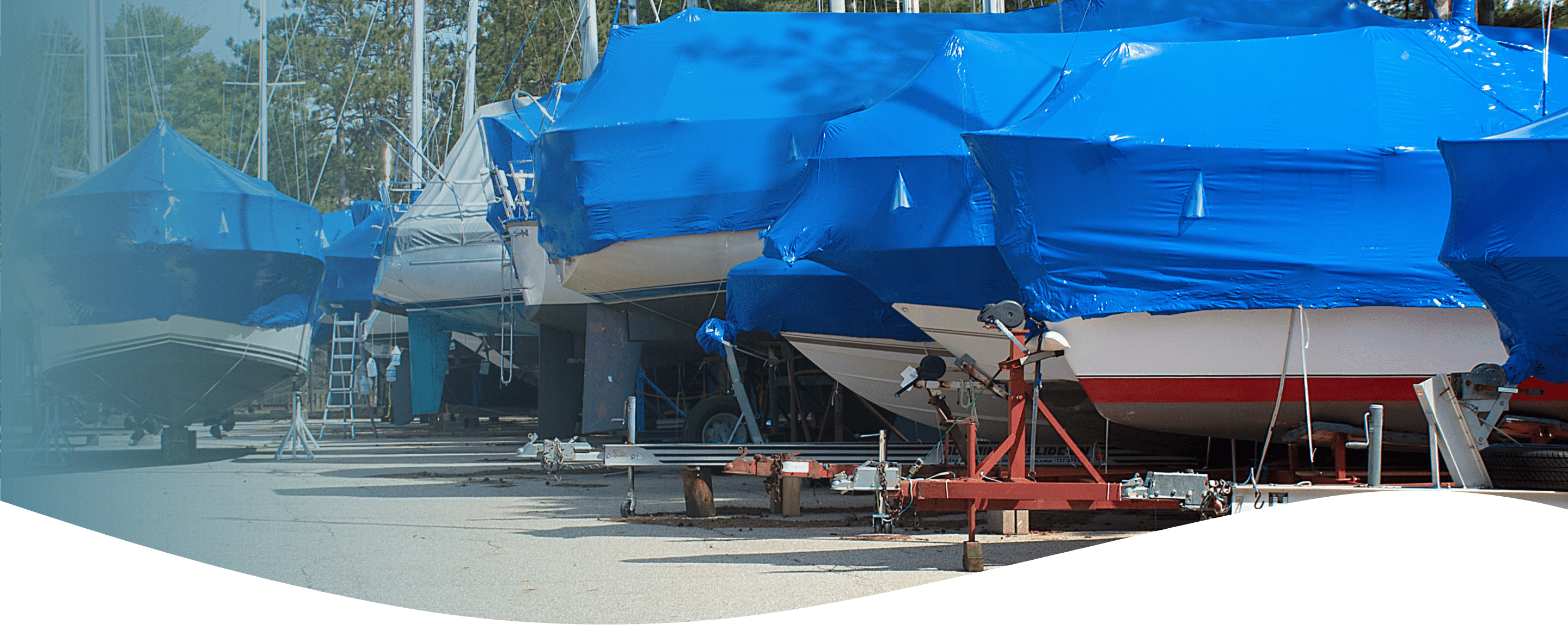
OUT-OF-WATER STORAGE
- Pressure wash hull, clean barnacles off props and shafts, rudders, struts and trim tabs
- Clean all through-hulls and strainers
- Open seacocks to drain water
- Check hull for blisters; attend to any you find
- Wax hull
- Take batteries out of boat; put on trickle charger or charge them every 30–60 days
Courtesy of Discover Boating.
Read Next: Why Every Boater Needs a Current Vessel Inventory
We don’t always think of our boats as assets—until something goes wrong. Theft, fire, or storm damage can happen to any boat, anywhere. And when it does, the last thing you want is to be guessing what gear was on board, when it was purchased, or what it’s worth.
BOATING COURSES
Boat and Engine Maintenance
Keep the water on the other side of the wall! From spark plugs to bottom paint, this course covers all the basics for DIY boaters. This course will equip you with the knowledge required to prevent onboard problems, carry out specialized tasks and tackle both short-term troubleshooting as well as long-term boat care.
The dream of owning, maintaining and using your own boat without great expense can be achieved through the completion of the Boat and Engine Maintenance Course.