
TECHNIQUES
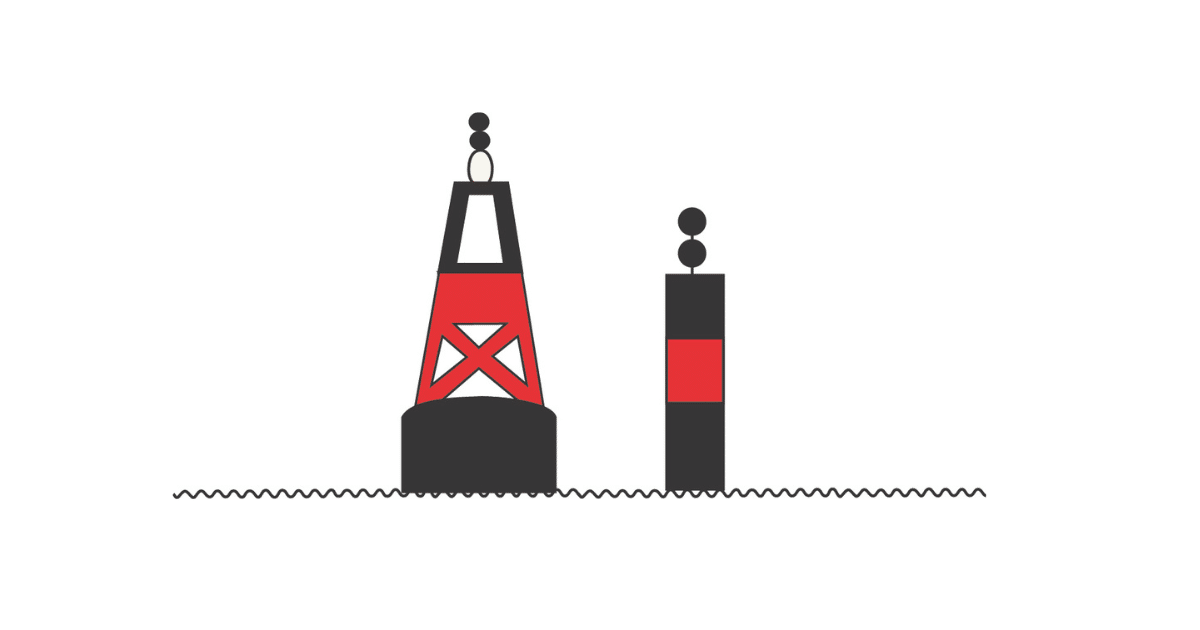
Isolated Danger Buoys
Description:
- Black with one red horizontal band.
- White light, group Fl(2) 5s or group Fl(2)10s (if equipped).
- Two black spherical topmarks.
- Lettered – no numbers.
- White retroreflective material.
Diving
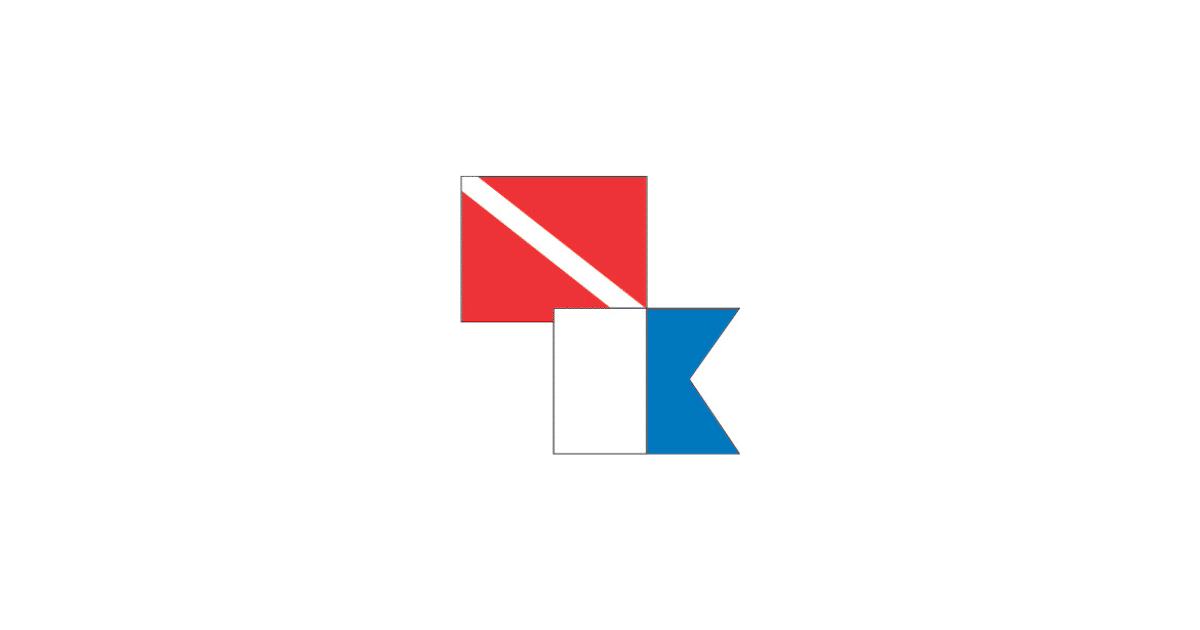
When divers are under water, two flags should be displayed. One on the boat and one in the water. Boats should not approach closer than 100 metres from either flag and should pass at slow speed.
Description:
- International “A” (Alpha) is blue and white flag flown on the accompanying vessel.
- Red with a white diagonal stripe extending from the tip of the hoist to the bottom of the flag where the diver is working
- If it carries a light, the light is yellow and is a flashing (Fl)4s.
- If it does not carry a light, the top of the buoy is of a variety of possible shapes.
- If it carries retroreflective material, such material is yellow.
- Not normally found on charts.
Special Purpose Buoys
Special markers and buoys are for your safety and designate anchorages, areas of special caution, moorings and areas to avoid.
- Shapes have no significance.
- May be lettered – no numbers.
- Yellow retroreflective material.
- Yellow lights – flash characters indicated below (if equipped).
- Cautionary, scientific and anchorage buoys may display a yellow “x” topmark.
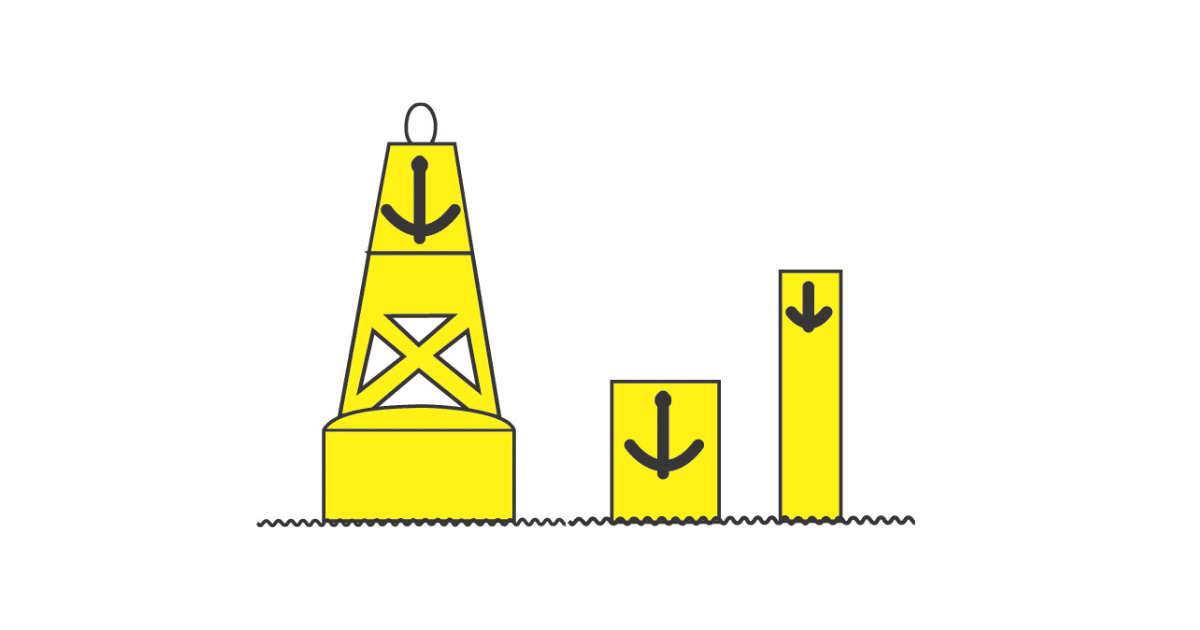
Anchorage Buoy:
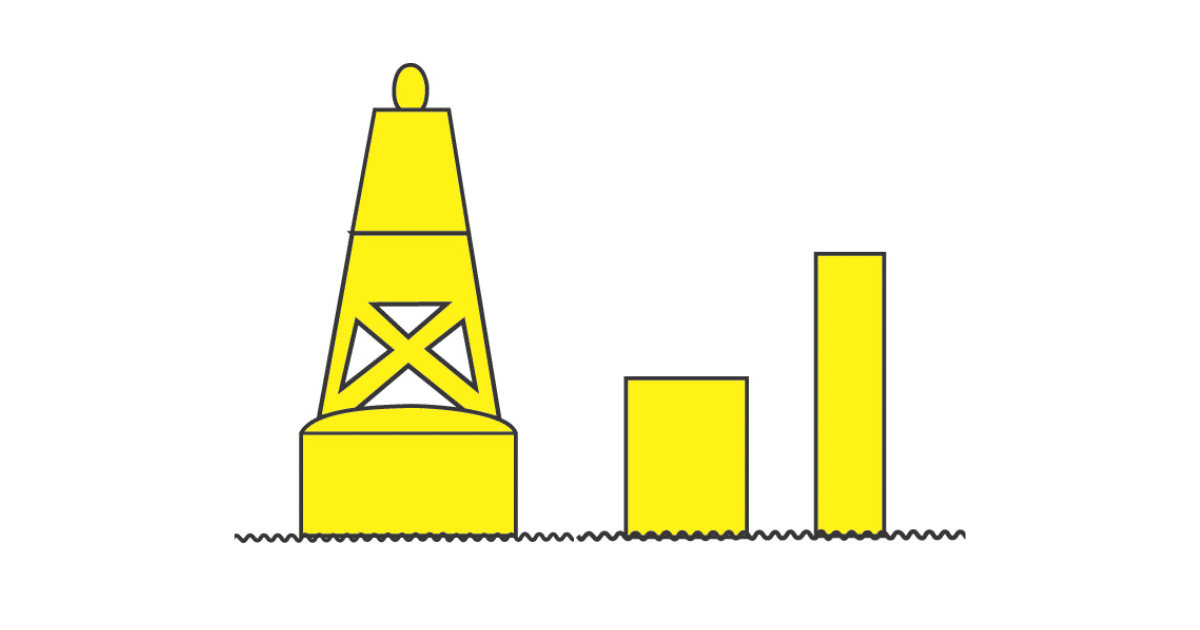
Cautionary Buoy:
Cautionary buoys are typically all yellow. They mark dangers such as firing ranges, underwater pipelines, race courses, seaplane bases and areas where no through channel exists. May carry a yellow flashing night (Fl) 4s.
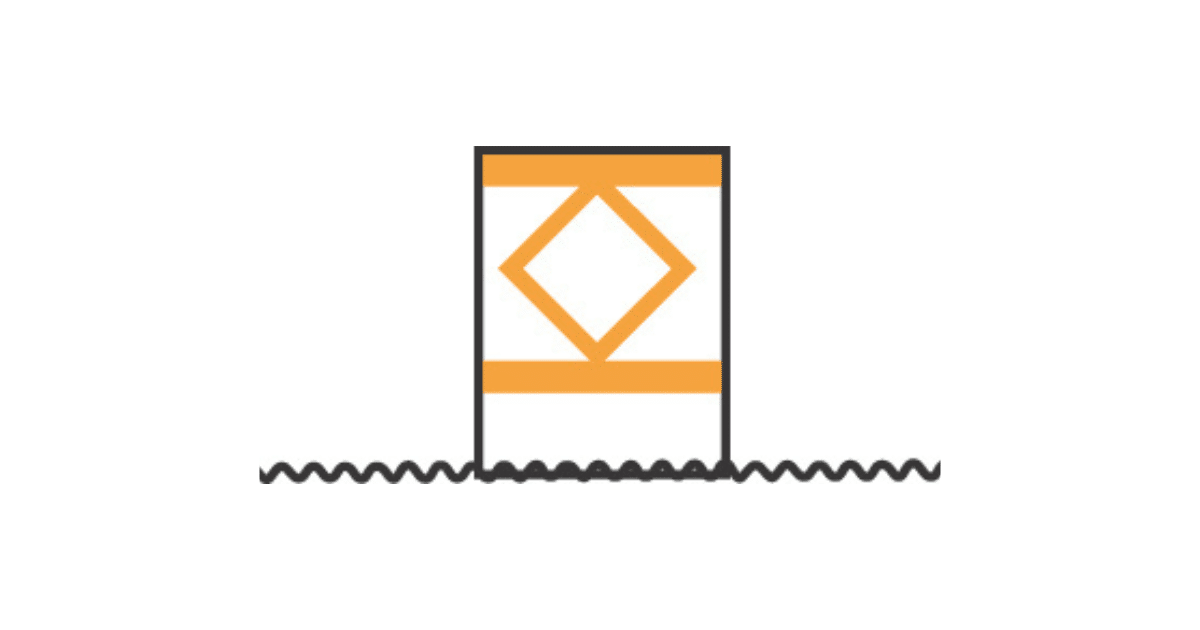
Hazard Buoy:
Hazard buoys can be white with orange stripes and diamond symbol. It is used to mark random hazards such as shoals and may have a yellow flashing light (Fl) 4s.
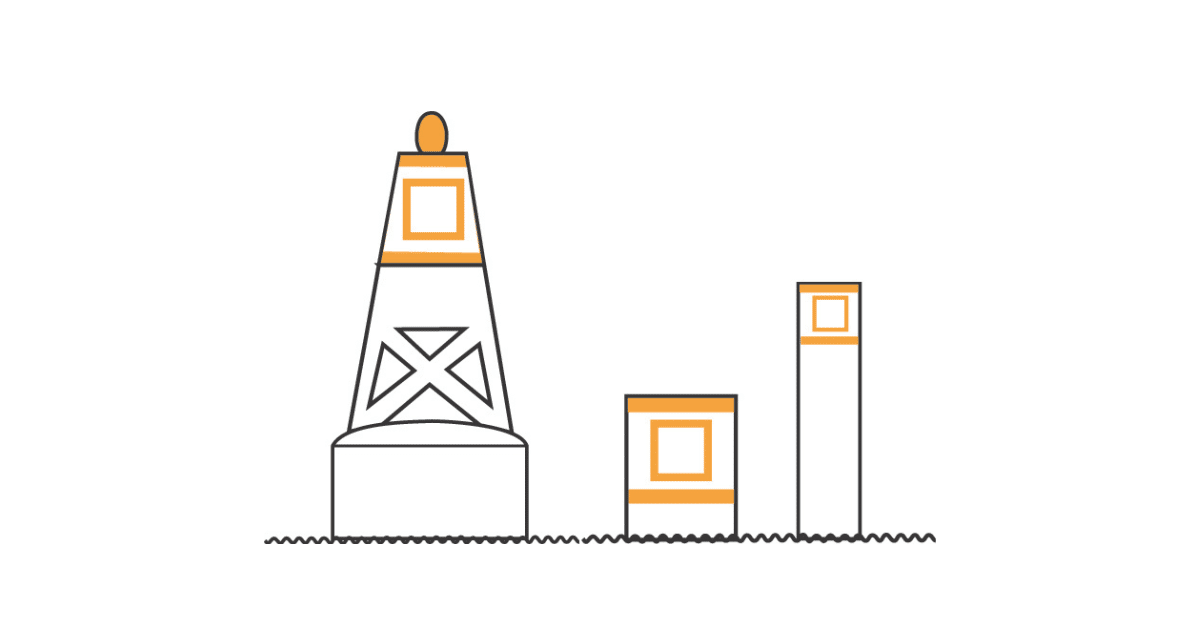
Info Buoy:
Information buoys can be white with orange stripes and a square symbol. They are used to display info such as locality, name, marina, campsite, etc. Use the information illustrated within the orange square as your guide. It could have a yellow flashing light (Fl) 4s.
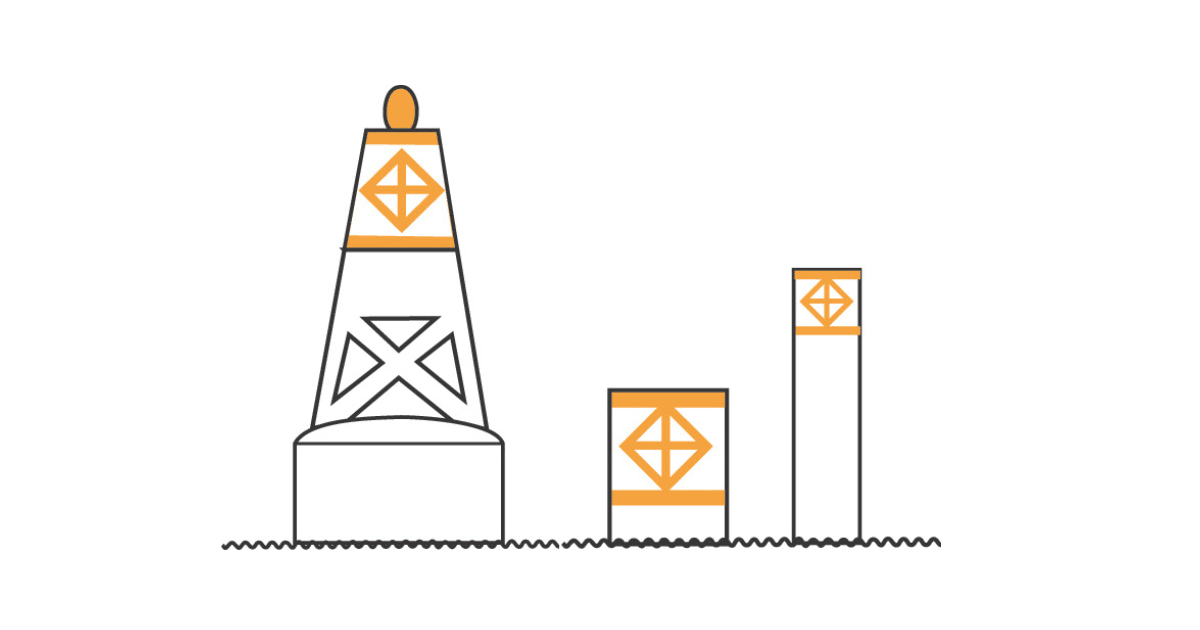
Keep-Out Buoy:
Keep-out buoys are white with oranges stripes and a cross-mark symbol. They are used to mark areas in which boats are prohibited. May have a yellow flashing night (Fl) 4s.
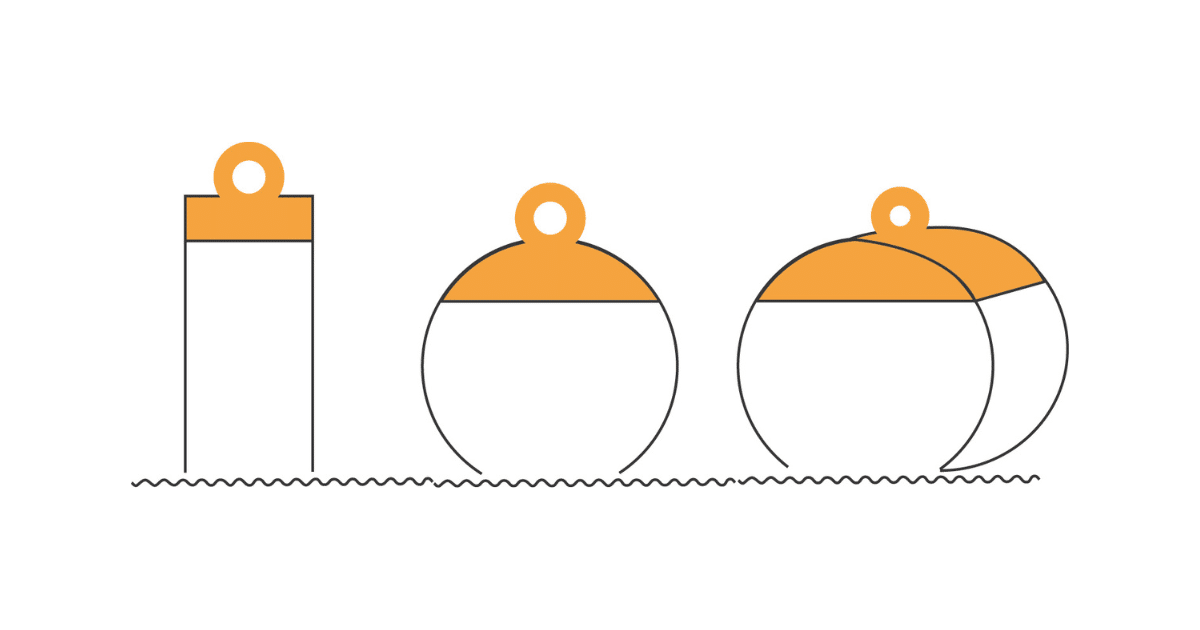
Mooring Buoy:
Mooring buoys are typically white with an orange top and a ring on top. They can be used for mooring or securing vessels instead of dropping an anchor. Be aware that a vessel might already be secured to one.
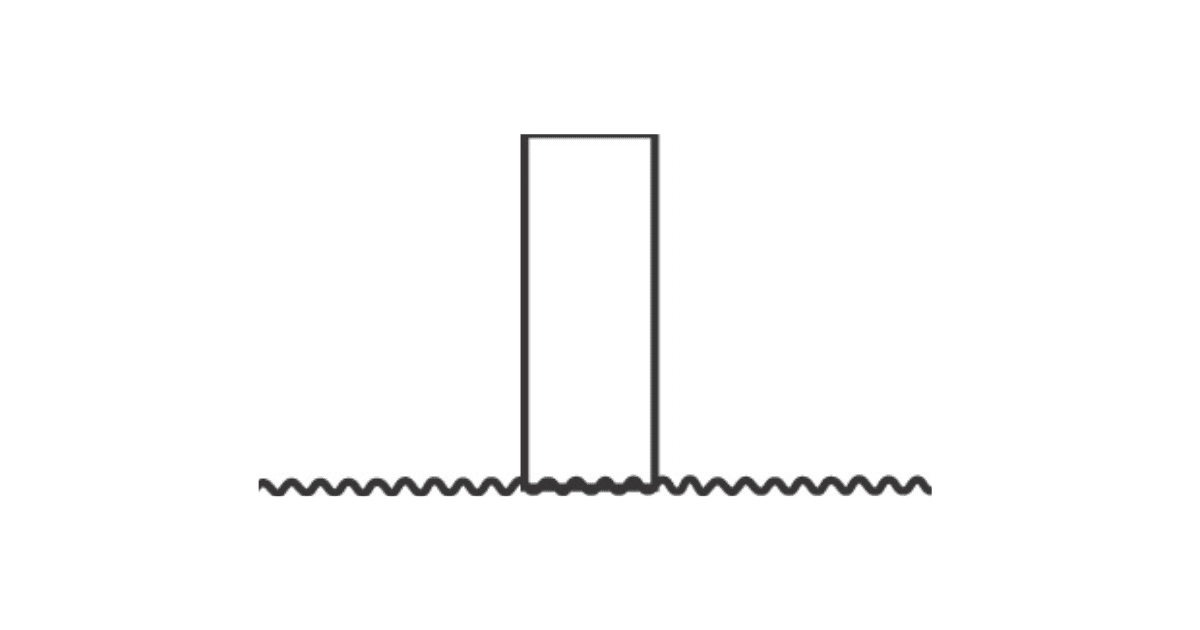
Swimming Buoy:
Swimming buoys are typically, all white and mark the perimeter of a swimming area and could have a yellow flashing night (Fl) 4s. These buoys might not be found on your charts.
Lateral Buoys
There are five types of lateral buoys:
- port hand,
- starboard hand,
- port bifurcation,
- starboard bifurcation,
- and fairway.
They can be in 3 shapes: spar, can, pillar. The colour and shape of the top of the buoy are important. Sometimes it is difficult to identify colour at a distance, in poor lighting conditions during sunset or if you or your crew is one of the many people who are red/green colour blind. Use the shape of the top to help you identify the buoy.
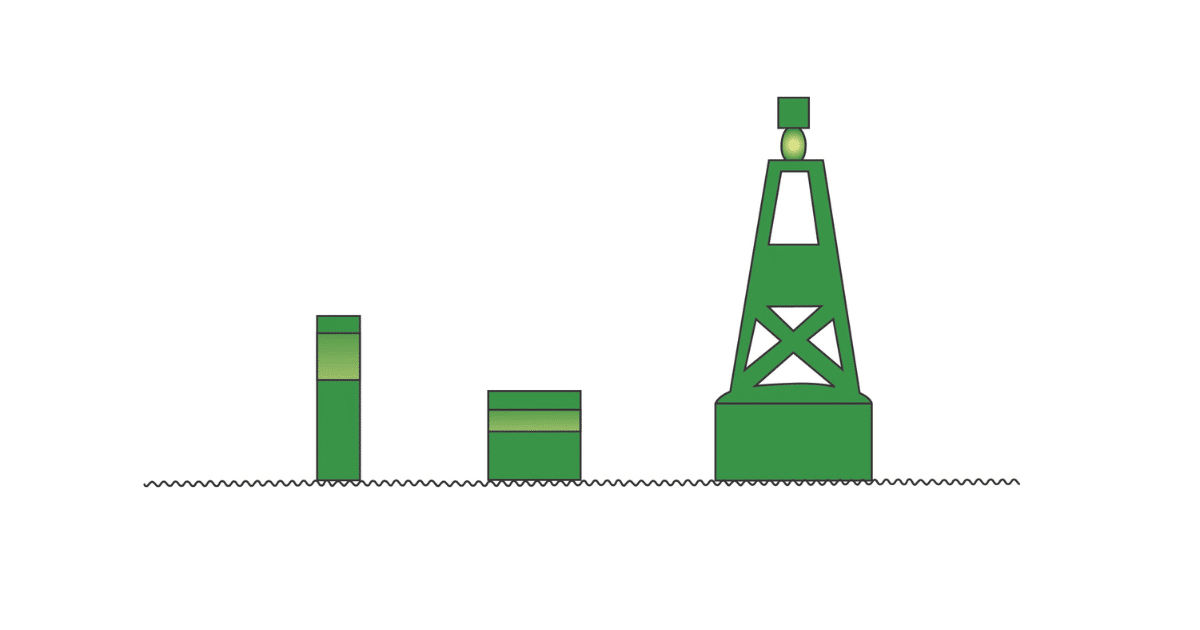
Green Port-hand Buoys
Description:
- All Green
- Green light (Fl) 4s or (Q) 1s (if equipped)
- If unlighted, it has a flat top
- Topmark is a single green cylinder (if equipped)
- Letter and odd number(s)
- Green retroreflective material
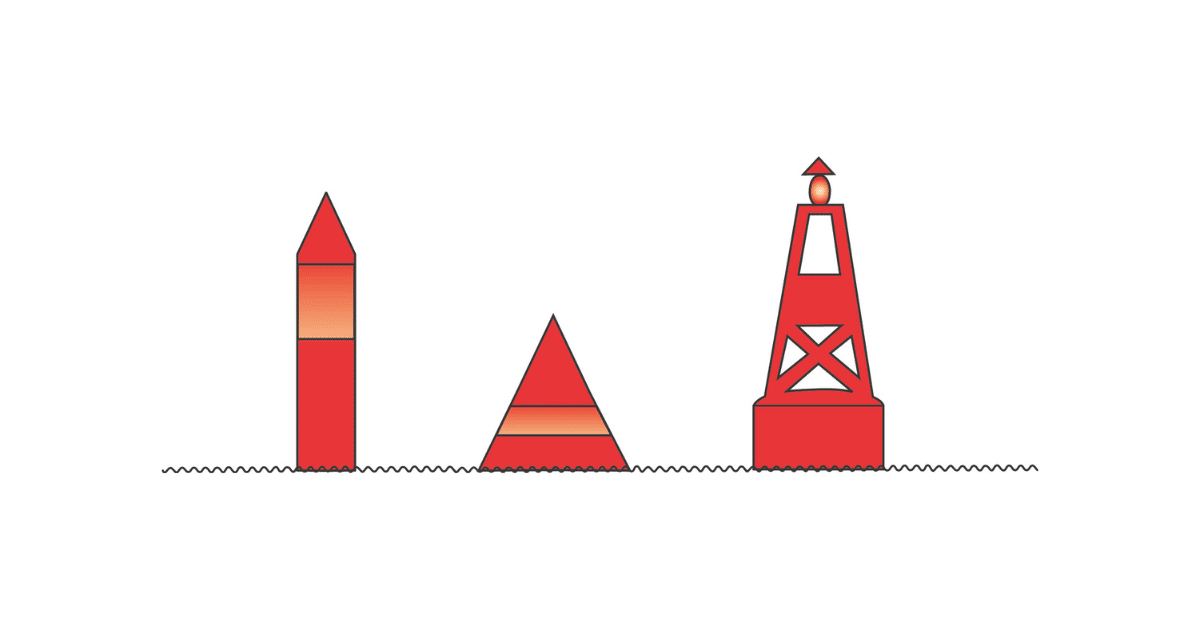
Red Starboard-hand Buoys
Description:
- All red
- Red light (Fl) 4s or (Q) 1s (if equipped)
- If unlighted, it has a pointed (conical) top
- Topmark is a single red cone, point upward (if equipped)
- Letter and even number(s)
- Red retroreflective material
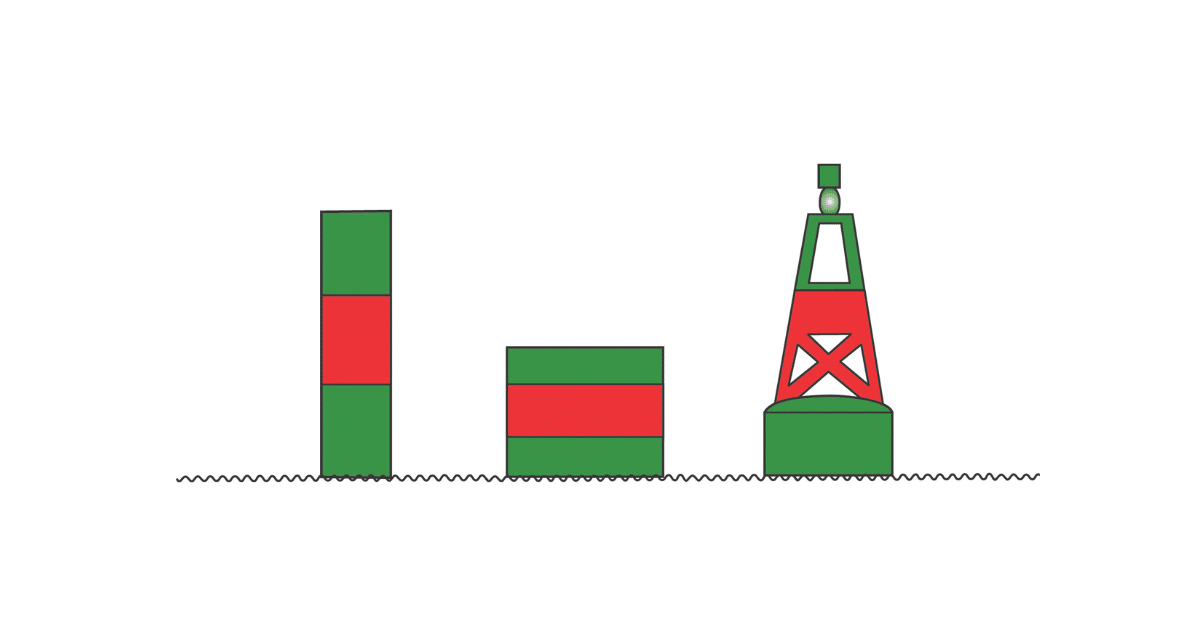
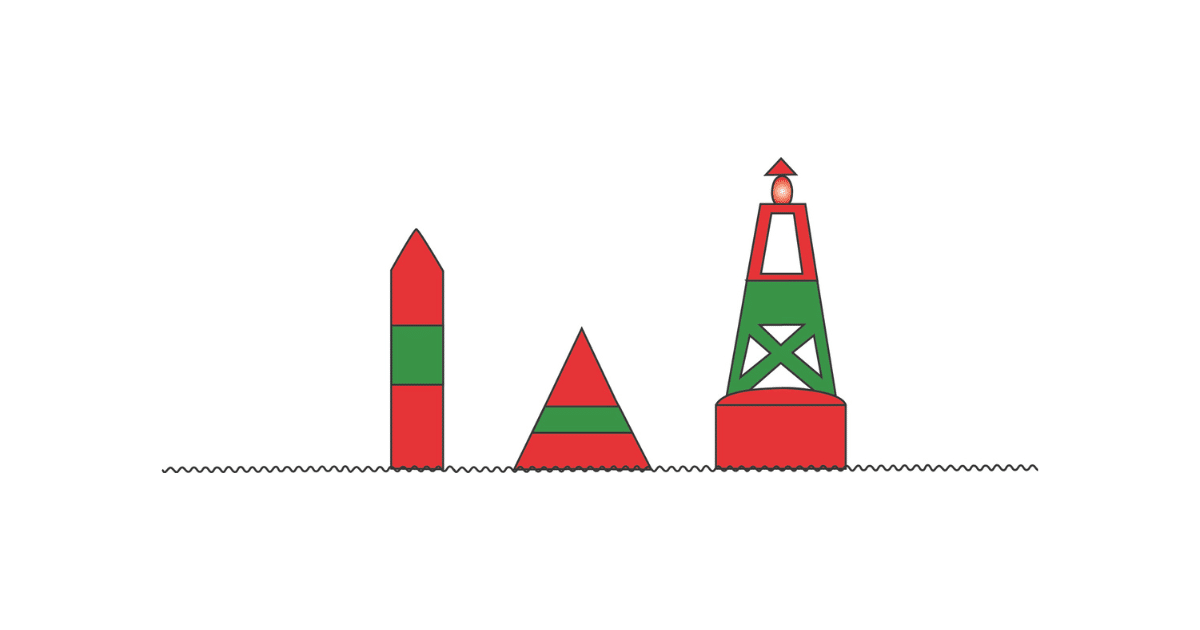
Port Bifurcation Buoys
A port bifurcation buoy marks the point where a channel divides when proceeding in the upstream direction. When the preferred (main) channel is desired, the buoy should be kept on the vessel’s port (left) side.
Description:
- Green with one red horizontal band.
- Green light, composite group Fl(2+1) 6s or Fl(2+1)
- 10s (if equipped).
- If unlighted, it has a flat top.
- Topmark is a single green cylinder (if equipped).
- Lettered – no numbers.
- Green retroreflective material.
Starboard Bifurcation Buoys
A starboard bifurcation buoy marks the point where a channel divides when proceeding in the upstream direction. When the preferred (main) channel is desired, the buoy should be kept on the vessel’s starboard (right) side.
Description:
- Red with one green horizontal band.
- Red light, composite group Fl(2+1) 6s or Fl(2+1) 10s (if equipped).
- If unlighted, it has a pointed (conical) top.
- Topmark is a single red cone, point upward (if equipped).
- Lettered – no numbers.
- Red retroreflective material.
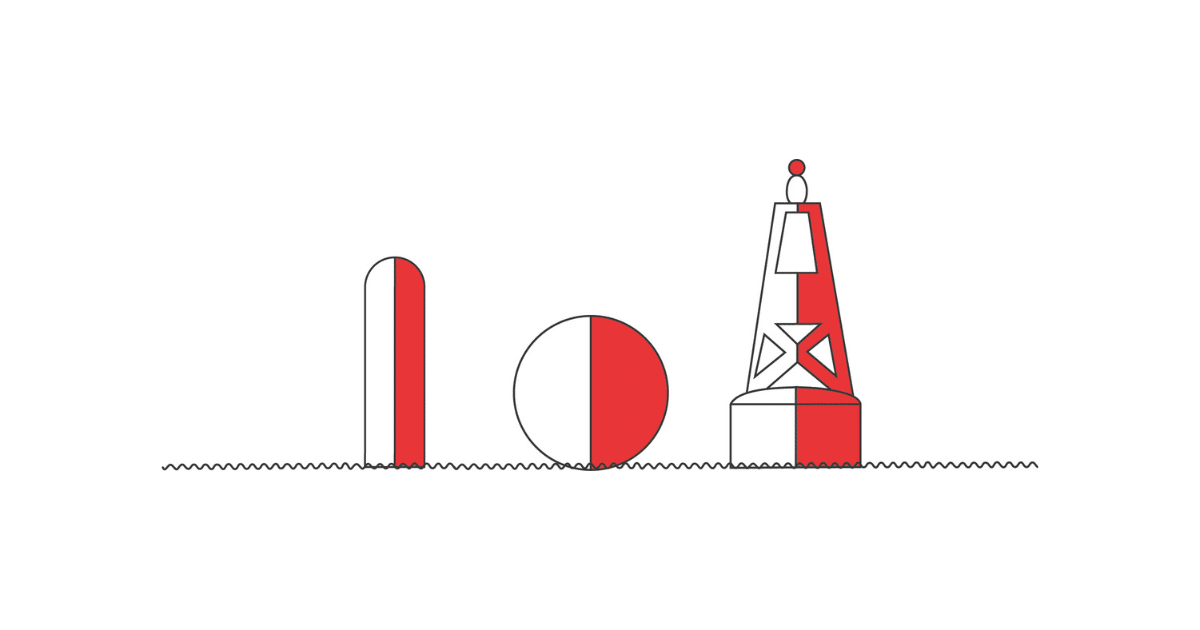
Fairway Buoy
Description:
- Red and white vertically striped buoys.
These are just 13 of the 20 floating aids to navigation you might encounter while boating in Canadian waters. Our Aids to Navigation Mini-Course explains how to recognize their shapes, colours, fixed aids and chart symbols — and how they guide your journey on the water.
Note: Most aids to navigation are not under continuous observation and boaters should be aware that failures and displacements do occur. The Canadian Coast Guard does not guarantee that all aids to navigation will operate as advertised and in the positions as advertised at all times. Boaters are cautioned not to rely solely on buoys for navigation purposes. Navigation should be by bearings or angles from fixed aids on shore or other charted landmarks and by sounding or using, charts, GPS or radio-navigation systems, whenever possible.
Sources: CanBoat’s Pleasure Craft Operator Card Course and The Canadian Aids to Navigation System.
PROUDLY CANADIAN
Get Your Official Canadian Boating Licence
- the minimum safety equipment required on board your boat;
- what all Canadian buoys look like and what they mean;
- how to share waterways;
- a review of regulations that relate to pleasure boating; and
- how to respond in an emergency.